Economics is transforming. The narrative is shifting. Remember when JPMorgan’s CEO called bitcoin a “fraud” eight years ago? Today, major institutions are increasing their holdings of BTC and ETH. That same bank now offers his clients bitcoin ETFs.
A decade ago, digital networks were primarily for entertainment and basic communication. Now, they’ve become virtual spaces for abundant opportunities: from building personal brands and earning money to growing businesses and influencing the future. What’s more, the founders behind these networks – like Twitter’s ex-CEO Jack Dorsey – argue they should become “a public good at a protocol level,” since they’re shaping our democracy and ultimately reality.
A public good in web3
Public goods are any resources that benefit everyone but belong to no one. They have always been underfunded. Think of open-source software, scientific research, or public parks. They’re essential to society’s functioning, yet they struggle for resources because there’s no direct way to monetize them. Everyone benefits, but no one has a clear financial incentive to pay.
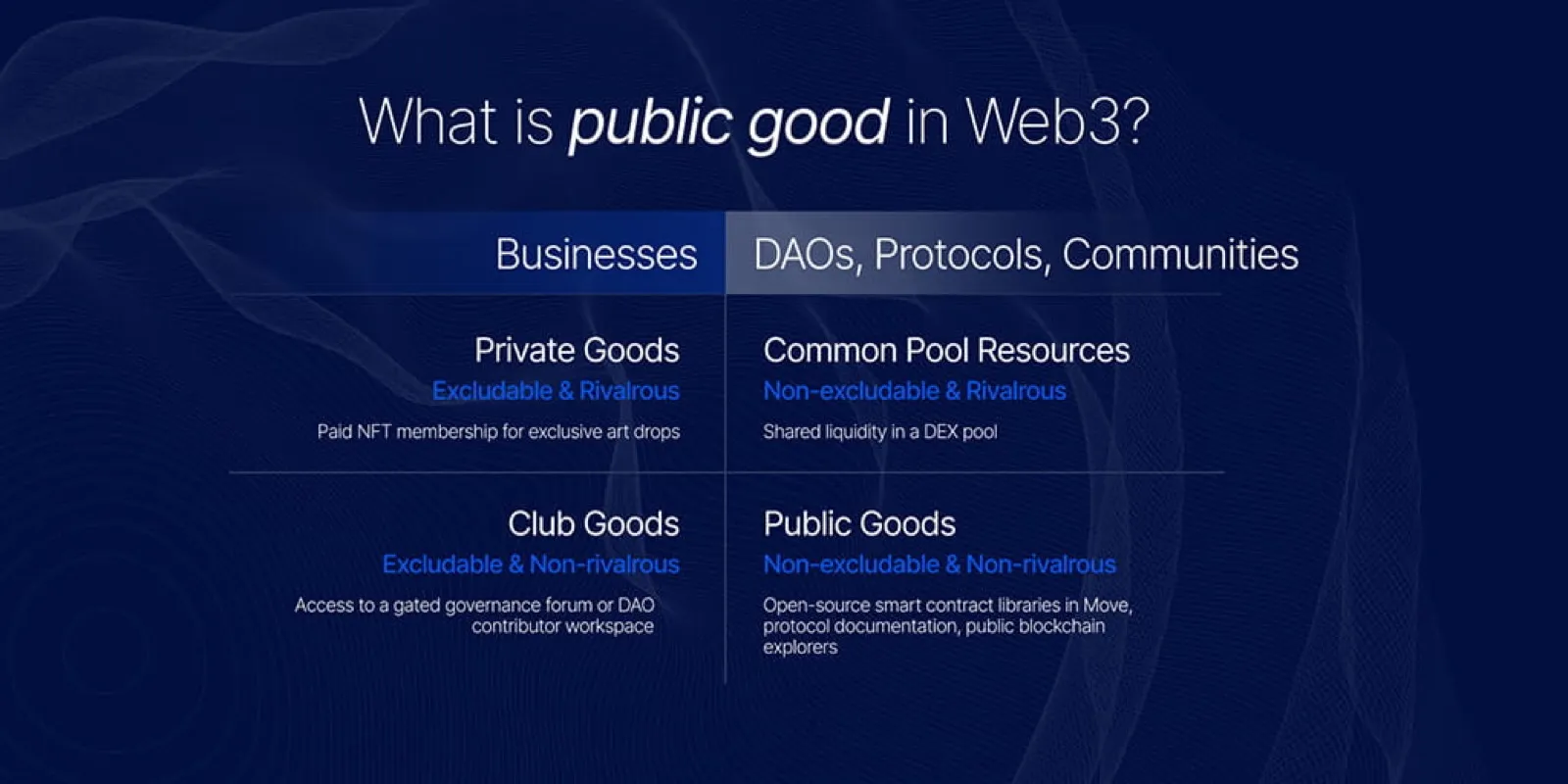
This problem becomes acute in Web3, where critical infrastructure like blockchain protocols, development tools, and security audits are public goods that entire ecosystems depend on. Since web3 is a meta-public good in itself, it is the reason we have a variety of grant programs and other methods of reward distribution to support and improve this good. However, somebody needs to fund these programs.
The traditional approach of hoping for donations or relying on venture-backed companies to build “free” products creates dangerous dependencies. When profit-driven entities control essential infrastructure, communities become vulnerable to rug pulls, governance attacks, and simple rent-seeking behavior. In other words, they are being REKT with a higher probability.
So, the funding challenge becomes real.
Individual donations don’t scale, corporate sponsorships come with strings attached, and one-time token sales rarely provide sustainable long-term funding. Even innovative approaches like quadratic funding, where broader community support translates to bigger funding matches, only address the symptom – they don’t solve the underlying structural problem of who owns and controls these essential systems.
We were told endlessly: “Web3 promises to democratize internet infrastructure.” The truth is, if we build it using the same centralized ownership models as Web2, we’ll end up with the same problems – just with different gatekeepers. (Remember the institutions buying up more of bitcoin we mentioned at the beginning?) Yet, the coordination challenges are immense when critical infrastructure is scattered across competing entities with misaligned incentives.
Enter Cedra for Public Goods in Web3
Cedra Network brings an alternative to solve this massive coordination problem. As the first open-source public goods blockchain on Move, it demonstrates how essential infrastructure can operate like a genuine public good. Instead of traditional corporate ownership, Cedra fuses protocol development, funding, and growth through open collaboration among core contributors, a non-profit foundation, and a worldwide guild of participants.
What makes this model powerful is its approach to sustainability. Rather than extracting value from users to benefit external shareholders, Cedra creates regenerative economics where network growth directly benefits all participants. What’s more, the Move language provides a secure foundation for anyone to spin up and govern their own sovereign networks while contributing to the shared ecosystem.
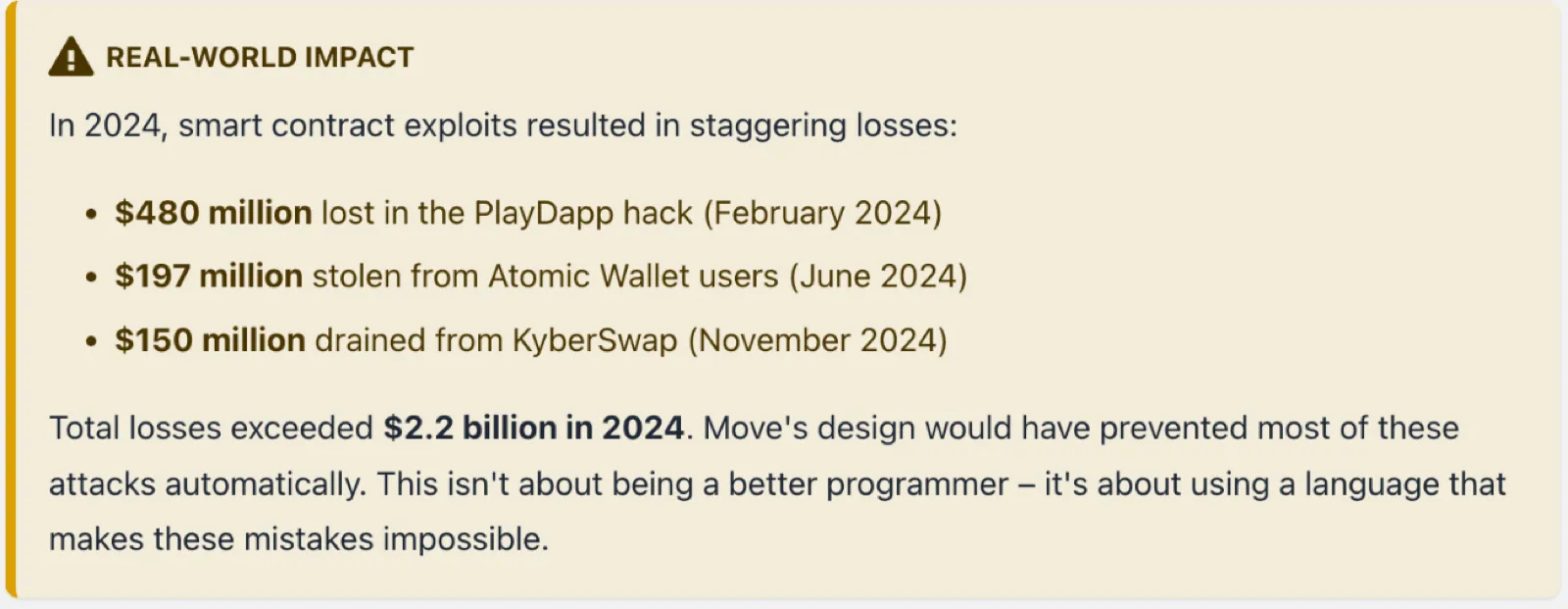
This isn’t just about one blockchain – it’s about proving that community ownership can work at scale. When infrastructure is genuinely owned by its users, funds are naturally flowing from network effects rather than begging for charity. Governance aligns with public benefit rather than profit extraction. And coordination becomes easier because everyone has skin in the game.
On Move: Cedra technicals
Move is a resource-oriented programming language purpose-built for secure digital asset management on the blockchain. Unlike traditional languages, Move introduces a unique resource model that enforces asset safety at the language level. It eliminates entire classes of vulnerabilities like double-spends or unexpected mutations. Its syntax is similar to Rust: static typing and built-in ownership system make it ideal for developers who value both performance and security in Web3.
The current Move ecosystem has reliable tech, but a limited number of devs and public infrastructure compared to Solidity. To get started with Move, you’ll need Rust, Node.js, and the Cedra CLI – these form the core of your development toolchain. To learn more, go from basic syntax and data types, to modules, control flow, and resource management.
Each stage is structured to build on the last—starting with Move’s revolutionary principles and culminating in real-world dApp development. Whether you’re writing your first contract or deploying complex systems, Move provides the tools to do it safely and efficiently.
Cedra – a wider picture
Cedra is building the foundational public goods infrastructure for the Move ecosystem — a modular, open protocol that enables anyone to create, fund, and scale their own sovereign networks. It is the bridge for builders, contributors, and communities to collaborate without centralized gatekeepers.
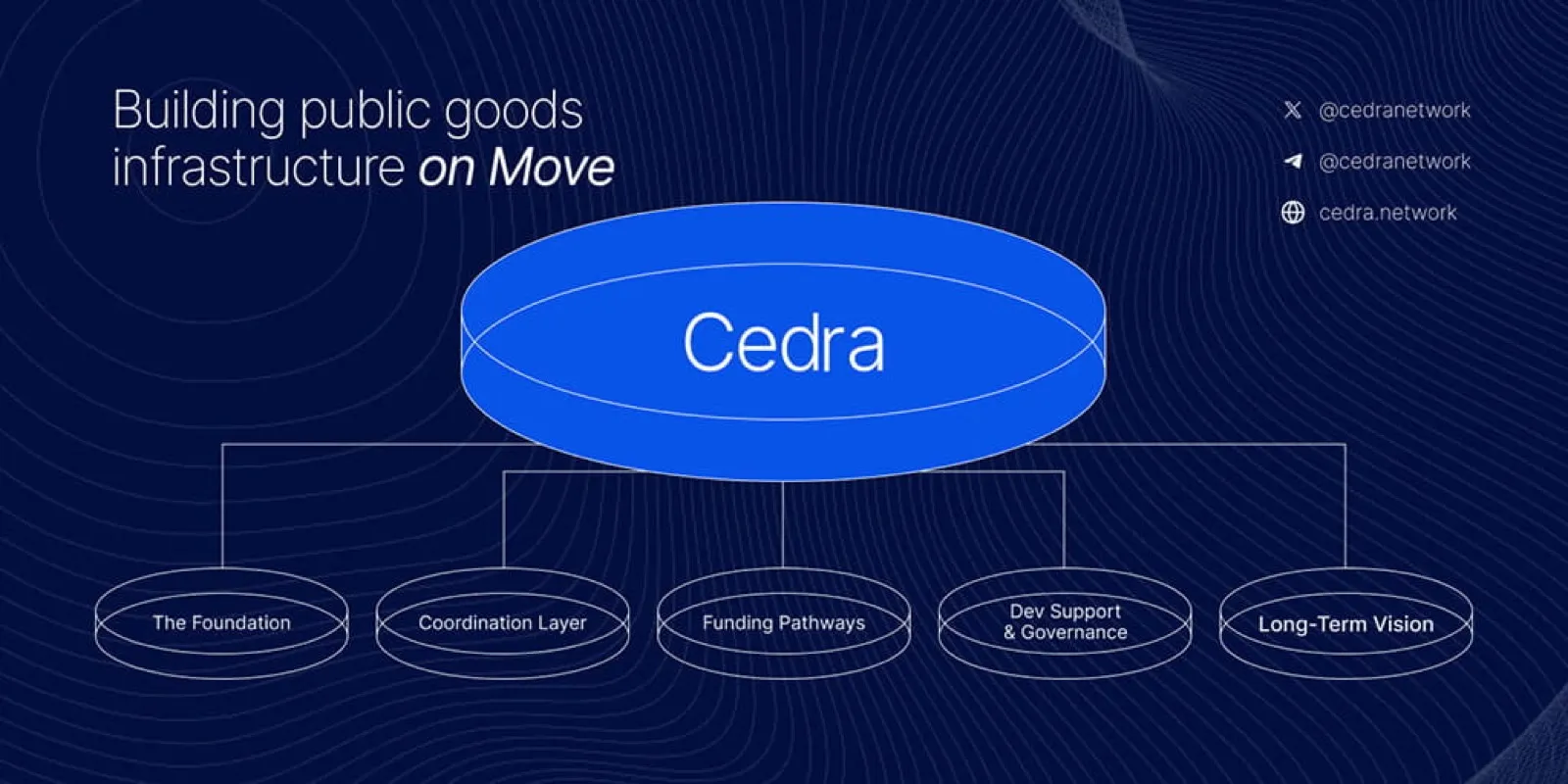
As a Coordination Layer, Cedra manages on-chain mechanisms and effort across the ecosystem. It coordinates retro funding, contributor discovery, grant matching, and collective decision-making. There are also Funding Pathways which are transparent grant programs worth between $5K and $25K, and direct support from a curated VC pool.
We’ve integrated open-source templates, resources and personal touchpoints to make dev support & onboarding to Move fast and exciting. We have also built a transparent governance model and lightweight, community-run validator systems to avoid the bureaucratic traps other chains fell into.
Our long-term vision is to foster a sustainable, collaborative ecosystem for public goods in Move and beyond.
The implications are profound. If we can solve the public goods problem for blockchain infrastructure, we will create a template for community-owned digital infrastructure more broadly. Imagine internet protocols, social networks, and digital tools designed from the ground up as public goods, owned and governed by their communities rather than shareholders.
In the end, Cedra might help unlock the tremendous potential of public goods in web3.
- If you share this vibe, we invite you – developers, builders, and funders – to get involved: https://linktr.ee/cedranetwork